Parging & Foundation Coatings
Smooth, Protect & Refresh Foundation Walls — Toronto & the GTA
Polymer-modified parging • Mesh-reinforced base coats • DuROCK · Sto · Sika acrylic & elastomeric finishes • Moisture-aware detailing
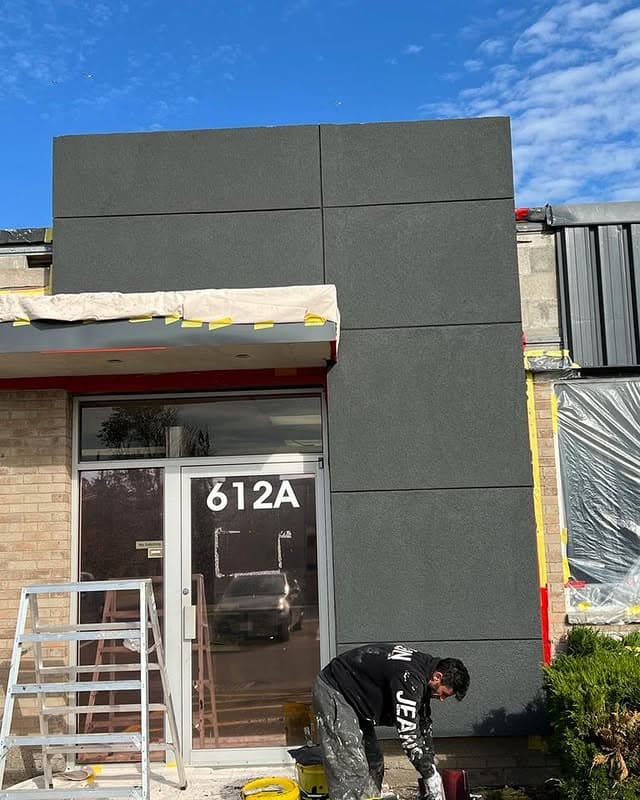
Ozwan Stucco restores and protects foundation walls with professional parging and acrylic/elastomeric coating systems. We smooth rough concrete or block, cover surface defects, and create a clean, uniform appearance while adding a durable protective layer above grade.
For longevity, we combine thorough preparation, mesh-reinforced base coats, and compatible finishes from DuROCK, Sto, and Sika. Where moisture or grading issues exist, we address those first and clarify the difference between parging (cosmetic/protective) and below-grade waterproofing (membranes, drainage).
Our work follows manufacturer guidance and Canadian best practices—temperature, curing, movement joints, and sealant transitions—to ensure the finish lasts in Toronto’s freeze–thaw cycles.
When to Choose Parging vs. Repair
- Hairline cracking, minor spalling, or flaking on above-grade foundation faces
- Uneven or patched foundations that need a consistent, clean look
- After structural crack repair: parging to blend and protect the surface
- Not a substitute for waterproofing below grade—membranes and drainage are required there
Systems We Install
- Cement-based parging (Type S/Type N) with bonding agent for adhesion
- Polymer-modified, mesh-reinforced base coats for added crack resistance
- Acrylic and silicone-modified acrylic finishes (DuROCK · Sto · Sika) for UV stability and cleanability
- Elastomeric wall coatings above grade for additional hairline crack bridging (project-dependent)
- Bituminous dampproofing or waterproofing membranes (below grade; part of broader waterproof scope)
7-Step Parging & Coating Process
- 1) Inspection: check for moisture sources, efflorescence, loose material, and paint
- 2) Preparation: remove delamination, grind/etch as needed, low-pressure wash, bond/prime
- 3) Repair: fill voids, patch spalls, treat cracks; mesh high-movement areas
- 4) Base Coat: apply cement or polymer-modified layer; embed fiberglass mesh where specified
- 5) Cure: protect from wind, sun, and frost; follow manufacturer timing
- 6) Finish: acrylic or elastomeric coating above grade; neat terminations and drip edges
- 7) Clean-Up & Care: sealant checks and maintenance guidance
Materials, Weather & Curing
- Bonding agents and primers to improve adhesion on sound substrates
- Fiberglass mesh reinforcement at corners, transitions, and patched areas
- Application generally above 5°C and rising; protect 24–48 hours from frost/wind
- Hot-weather care: shade, misting, and controlled cure to prevent flash-drying
- Finish color matching and LRV guidance to manage heat and aesthetics
Pricing & Typical Timelines
- Re-parging (full face): ~$8–$14 per sq ft depending on prep and access
- Localized repairs: ~$10–$18 per sq ft with patching and mesh reinforcement
- Acrylic/elastomeric coating (above grade): +$2–$5 per sq ft
- Corner rebuilds, drip edges, sealant replacement: itemized in quote
Small repairs: ~1 day. Full re-parging with coating: 2–4 days, weather and curing dependent.
Service Areas in Toronto & the GTA
Toronto, North York, Scarborough, Etobicoke, Mississauga, Brampton, Vaughan, Richmond Hill, Markham, Oakville, Burlington, Pickering, Ajax, Whitby, and nearby communities.
Detailed Service Guide
Parging Protects and Cleans Up the Foundation Face Above Grade
Parging is often misunderstood. It is a protective and cosmetic above-grade coating for concrete or block foundation walls, not a full waterproofing system. Done properly, it improves the look of the base of the home and helps protect exposed masonry from weather and minor wear.
Our 5-Step Parging Process
Parging lives in one of the hardest-working zones of the exterior, so preparation drives every step.
Foundation face inspection
We review the exposed foundation for loose coating, paint, salt damage, spalling, cracks, and grade or splashback conditions that affect how long new parging will last.
Removal of unsound material
We remove loose parging, flaking paint, and weak concrete so the new coating bonds to sound masonry instead of the weakest layer underneath.
Surface cleaning & bonding prep
We clean, profile, and dampen or prime the surface as needed, working carefully around basement windows, vents, meters, and penetrations.
Mesh reinforcement & parge coat
We reinforce high-risk or previously cracked areas with mesh where appropriate, then apply a compatible cementitious or polymer-modified parge coat.
Finish coating & grade review
We apply the chosen finish — basic, polymer-modified, or colour-coated — and review grade, downspouts, and drainage so water is steered away from the wall.
Toronto & GTA Pricing Guidance
Parging costs depend on how much old material must be removed, whether the wall needs mesh reinforcement, how exposed the foundation is to salt and splashback, and whether the finish is basic cement, polymer-modified, or acrylic-coated.
Localized parging repair
$750-$2,500
For smaller above-grade foundation sections where loose material is removed and the surface is repaired and refinished.
Foundation wall parging
$12-$28 per sq. ft.
Planning range for prepared foundation faces, depending on surface condition, bonding needs, reinforcement, and finish type.
Full visible foundation refresh
$2,500-$9,500+
For larger foundation faces around the home, especially where removal, mesh, colour coating, or multiple elevations are involved.
What Parging Should and Should Not Do
Parging creates a smoother, more uniform foundation face and protects exposed concrete or block from minor weathering. It can cover rough block, old patches, small surface imperfections, and transitions between the wall cladding and foundation. It should not be sold as a basement waterproofing cure. If water is entering below grade, the solution is drainage, membrane, crack repair, sump strategy, or waterproofing work. Parging can be part of a clean exterior finish, but it is not a substitute for below-grade water management.
Preparation Determines Lifespan
Most parging failures start with weak preparation. Loose coating, paint, dirt, salt, spalled concrete, and damp surfaces reduce adhesion. Ozwan removes unsound material, cleans and profiles the wall, repairs obvious defects, uses bonding agents or primers when needed, and reinforces high-risk areas with mesh. The base of a house sees splashback, snow, salt, lawn equipment, and freeze-thaw stress, so the surface cannot be treated casually.
Finish Options
A basic cement parge can create a clean grey foundation face. Polymer-modified parging improves adhesion and flexibility. Acrylic or elastomeric coatings can add colour, water-shedding ability, and a more finished appearance above grade. The right choice depends on exposure, budget, existing wall condition, desired colour, and whether the foundation needs to visually connect with acrylic stucco, brick, stone, siding, or EIFS above it.
Related Work Around Grade
Parging often overlaps with foundation repair, stucco repair, exterior insulation, and base-of-wall detailing. If the upper stucco wall is being repaired or re-finished, the foundation should not look forgotten. If the foundation is cracked, flaking, or cold, insulation and mesh-reinforced coatings may be considered. If water is pooling near the wall, grading and drainage should be discussed before fresh parging is installed.
Why Parging Fails in Toronto and the GTA
Parging fails when the foundation face is asked to handle more moisture, salt, movement, or freeze-thaw stress than the coating can tolerate. Toronto homes often see snow piled against the wall, de-icing salt near driveways, downspouts discharging beside the foundation, garden beds holding moisture, and splashback from hard surfaces. Older block or concrete can also be painted, dusty, spalled, or patched with incompatible materials. Ozwan looks at these conditions before applying new parging. If the cause of failure is ignored, the new coating may look good for a season and then crack, blister, or separate again.
Above-Grade Parging Versus Waterproofing
Parging improves the visible foundation face above grade, but it is not the same as basement waterproofing. This distinction matters for homeowners searching in Toronto because exterior foundation problems are often described with the same words: cracks, dampness, leaks, flaking, and water damage. If water is entering below grade, a waterproofing scope may require excavation, membrane, drainage board, crack repair, weeping tile, sump planning, or grading changes. Parging can finish and protect the exposed surface, but it should not be sold as a basement leak solution. Ozwan is clear about where parging ends and where waterproofing may need to begin.
Surface Preparation and Removal
A clean foundation face is essential. Loose parging, old paint, salt deposits, dirt, dust, and weak concrete prevent bonding. Ozwan removes unsound material, cleans the surface, profiles smooth areas, repairs obvious defects, and uses bonding support where appropriate. If old coating is left behind because it is inconvenient to remove, the new parging depends on the weakest layer underneath. That is why preparation can take more time than application. On older GTA homes, preparation may include working around pipes, meters, basement windows, vents, stairs, porches, and landscaping without damaging the rest of the exterior.
Mesh Reinforcement and Crack Control
Mesh reinforcement can improve durability in high-risk parging areas, especially where cracks have already appeared or where different materials meet. Foundation walls move slightly with temperature, soil pressure, moisture, and building age. A thin cosmetic skim over cracks may fail quickly if the movement is still active. Ozwan may recommend mesh, polymer-modified materials, crack preparation, or a different coating approach depending on the wall condition. Reinforcement does not make the foundation structural, but it helps the coating bridge small surface weaknesses and resist everyday abuse from weather, splashback, and impact.
Foundation Coating Choices
Not every foundation needs the same finish. A basic cement parge can create a clean grey surface. Polymer-modified parging can improve adhesion and durability. Acrylic coatings can add colour and help the foundation connect visually with stucco, EIFS, brick, stone, or siding above. Some homeowners want a simple utility finish, while others want the foundation to look like part of a full exterior redesign. Ozwan helps choose based on exposure, budget, colour goals, wall condition, and whether the foundation is being coordinated with stucco repair, acrylic finish, or a new EIFS installation.
Grade, Drainage, and Splashback
The area around grade controls how long parging lasts. Soil, mulch, stone, concrete walkways, driveways, and patios can hold water or bounce water back onto the wall. If grade is too high, parging may sit in constant moisture. If downspouts discharge near the foundation, staining and freeze-thaw damage can return. Ozwan reviews these simple site conditions because they affect the finish after the crew leaves. Parging is not a drainage system, but it lives in the drainage zone. A clean coating needs the surrounding property to move water away from the foundation as much as possible.
Parging With Stucco and EIFS Projects
When a home receives new stucco, EIFS, or acrylic finish, the foundation face should be planned at the same time. A beautiful new wall can look incomplete if the base remains cracked, painted, or patched. Parging can create a clean transition from grade to wall finish, and it can visually connect with trims, garage returns, porch walls, and side elevations. On some projects, the foundation needs a simple grey finish. On others, a colour-coated or mesh-reinforced finish better matches the new exterior. Ozwan treats the foundation as part of the full facade rather than an afterthought.
Repairing Parging on Older Homes
Older Toronto and GTA homes may have several generations of parging layered over each other. Some layers may be cement, some may be paint, and some may be patch material from previous repairs. Before repair, Ozwan checks what is actually bonded to the foundation. If only a small area is loose, a local repair may be possible. If large areas sound hollow or peel away, a broader removal and redo is usually better. The goal is to avoid building a new finish over weak history. Good parging repair respects the age of the foundation while giving the visible surface a clean, durable reset.
Seasonal Timing for Parging
Parging needs suitable temperature and moisture conditions. Applying cementitious or acrylic materials when the wall is too cold, too wet, or exposed to freezing can reduce bond and durability. Toronto shoulder seasons can be tricky because daytime temperatures may look acceptable while nighttime temperatures drop sharply. Ozwan plans parging work around weather windows, surface dryness, and curing needs. In hot summer sun, rapid drying can also be a problem. Good timing helps the material cure instead of simply drying at the surface. A durable parging job is as much about conditions as it is about product.
What Homeowners Should Watch After Parging
After parging is complete, homeowners should keep soil and mulch from burying the coating, keep downspouts extended, avoid harsh salt exposure where possible, and monitor cracks after winter. Small hairlines may be cosmetic, but bulging, hollow sounds, or repeated flaking should be investigated. Pressure washing should be gentle, and heavy impacts from shovels or equipment should be avoided. Parging lives in one of the hardest-working parts of the exterior. A little maintenance and better water control can significantly improve how long the foundation face stays clean and intact.
Toronto Salt and Snow Exposure
Parging near driveways, walkways, and front steps often sees salt, slush, and snow piled against it. Salt can damage cementitious materials and speed up surface breakdown, especially when the coating was weakly bonded or applied over old paint. Ozwan considers salt exposure when planning repairs and may recommend better preparation, reinforcement, coating choice, or simple owner maintenance changes. In the GTA, the lower wall has to survive winter habits as much as weather itself. Keeping snow and salt away from the foundation face can make a noticeable difference in how long new parging stays intact.
Parging Around Basement Windows and Vents
Basement windows, vents, utility penetrations, hose bibs, gas meters, and electrical conduits interrupt the foundation face. These details can create cracking, weak edges, and awkward water paths if they are not handled carefully. Ozwan works around penetrations by preparing edges, maintaining clean transitions, and avoiding thick material buildup that traps water. Window wells and low vents also need drainage awareness. Parging should make the foundation look cleaner without covering details that need to remain accessible. On older Toronto homes, these interruptions often determine whether the finished base looks neat or patched together.
When Parging Should Be Delayed
Fresh parging may need to wait if the foundation is saturated, grade is too high, waterproofing work is planned, cracks are actively moving, or temperatures are unsuitable. Delaying the finish can feel frustrating, but it is better than applying material in conditions that lead to failure. Ozwan explains when the wall needs drying, repair, or drainage correction first. Toronto spring conditions can be especially tricky because the surface may look ready while moisture remains in the wall or soil. Good timing is a durability decision, not a scheduling inconvenience.
Parging and Curb Appeal
The foundation face is easy to overlook, but it frames the bottom of the whole exterior. Cracked or flaking parging can make new stucco, brick, siding, or landscaping look unfinished. Clean parging creates a visual base that helps the home feel maintained from grade to roofline. Ozwan often recommends coordinating parging colour and texture with acrylic stucco, trims, porch walls, or garage returns. This is especially useful for Toronto homes where the front elevation is close to the sidewalk and the foundation is highly visible.
Common Parging Shortcuts
Shortcuts include skimming over loose material, applying over paint without preparation, ignoring salt damage, using the wrong material for the exposure, and failing to address grade or drainage. These shortcuts may reduce the first price but usually shorten the life of the work. Ozwan focuses on removal, cleaning, bonding, reinforcement where needed, and clear expectations about what parging can and cannot solve. Homeowners should ask how the existing surface will be prepared. The answer often reveals whether the contractor is selling a durable repair or a quick cosmetic coat.
How Parging Links to Other Ozwan Services
Parging links naturally to foundation repair, stucco repair, acrylic stucco, and full EIFS installation. A home with cracked parging may also have low-wall stucco damage from splashback. A new stucco installation may need a cleaner foundation transition. A foundation repair may need parging as the final visible finish. Ozwan makes those links clear so customers can understand the full exterior base condition. This helps both humans and search systems connect parging to the broader exterior envelope instead of treating it as a small isolated patch.
Related Ozwan Services
Stucco jobs usually cross more than one trade label. These linked pages help customers and crawlers understand the full exterior scope around this service.
Related Blog Topics
These topic links keep service pages connected to educational blog content as the blog library grows.
Quick Answers
Does parging waterproof a basement?
No. Parging is an above-grade coating. Basement waterproofing requires proper below-grade water management, membranes, drainage, or crack repair depending on the issue.
Why does parging fall off?
Common causes include poor preparation, trapped moisture, paint underneath, salt damage, freeze-thaw stress, splashback, and applying material in unsuitable weather.
How thick should parging be?
Thickness depends on the product, wall condition, and repair scope. The goal is not simply to apply more material, but to prepare the surface properly and use a compatible coating system.
Can parging be done over paint?
Paint often reduces adhesion. Loose or incompatible paint should be removed or treated properly before parging, otherwise the new coating may only bond to the paint layer.
Is mesh always needed for parging?
Not always, but mesh can help in cracked, high-risk, mixed-material, or previously failed areas. Ozwan recommends reinforcement when the wall condition justifies it.
Why did my parging crack after winter?
Winter cracking can come from trapped moisture, freeze-thaw movement, poor preparation, salt exposure, high grade, or existing foundation movement that was not addressed before coating.
Frequently Asked Questions
What is parging and why is it used?
A thin cement or polymer-modified coat used to smooth and protect above-grade foundation walls, cover minor imperfections, and deliver a uniform appearance.
Does parging waterproof my foundation?
No. Parging is not a below-grade waterproofing system. For basements we use membranes/dampproofing and drainage; parging is an above-grade protective finish.
Which systems and finishes do you use?
Cement and polymer-modified parges, mesh-reinforced base coats, and DuROCK · Sto · Sika acrylic or elastomeric finishes for durable, UV-stable results.
Can you parge painted or flaking walls?
Yes, with proper prep: remove unsound material, grind or etch to create profile, use bonding agents, repair cracks, then apply reinforced parge and finish.
When should I replace parging?
If you see widespread delamination, spalling, persistent flaking, or salt damage. We first check for moisture sources, then specify repair or full re-parge.
What temperatures are required?
Typically above 5°C and rising. We protect fresh work from frost, wind, and rapid drying per manufacturer cold-weather guidelines.
How long will new parging last?
With good prep, proper curing, and occasional maintenance, parging can last many years. Exposure, salt, and splashback can shorten life—coatings help.
How much does it cost?
Typical re-parging is ~$8–$14/sq ft; repairs ~$10–$18/sq ft; coatings add ~$2–$5/sq ft. We provide a written, itemized quote after site review.
What maintenance is required?
Rinse gently, avoid pressure washing, keep grade sloped away, repair chips promptly, and review coatings/sealants every few years.
Do you provide warranty?
Yes—workmanship warranty plus manufacturer-aligned finish guidance. Full terms are included with your quote.