Acrylic Stucco Colors & Finishes
DuROCK · Sto · Sika — Color-Stable, Designer Textures for Toronto & the GTA
Licensed & insured • WSIB coverage • Manufacturer-aligned assemblies • Custom color matching • Texture mock-ups • Dirt pick-up resistant & hydrophobic options
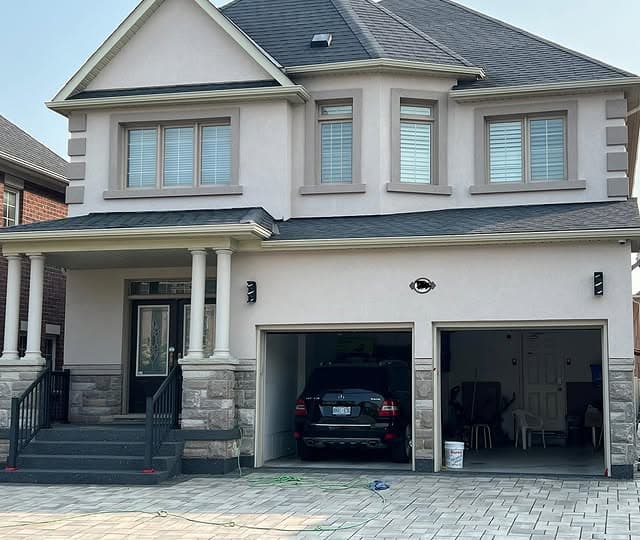
Ozwan Stucco delivers designer-grade acrylic stucco color and texture solutions built on proven manufacturer systems from DuROCK, Sto, and Sika. Whether you’re refreshing a façade or finishing a new build, we guide you through color selection, LRV considerations, texture profiles, and sheen so your exterior looks great and performs.
We provide fine, medium, coarse, rilled, and dash textures; silicone-modified acrylics for hydrophobic, self-cleaning behavior; and elastomeric options to mitigate hairline cracking. We also color-match trims, bands, and mouldings for a cohesive architectural package.
Our finish workflow aligns with manufacturer specs—proper substrate prep, priming, and compatible sealants— to ensure uniform color, durability, and warranty compliance.
6-Step Color & Finish Workflow
- 1. Color consultation: fan decks, LRV guidance, and neighborhood compatibility
- 2. Substrate prep & primer selection for uniform color and adhesion
- 3. On-site mock-ups: confirm texture (fine/medium/coarse/rilled/dash) and shade
- 4. Application of acrylic or silicone-modified finish per manufacturer specs
- 5. Accents & trims: bands, sills, cornices color-matched or contrasted
- 6. Final inspection, care guide, and touch-up kit (on request)
Color & Finish Services We Offer
- Acrylic finish installation over EIFS or prepared stucco substrates
- Color refreshes and re-coats using DuROCK, Sto, or Sika color libraries
- Texture updates: fine, medium, coarse, rilled, dash, specialty profiles
- Silicone-modified acrylics for hydrophobic, dirt-pick-up resistant façades
- Elastomeric topcoats to help bridge hairline cracking (case-by-case)
- Custom trims & mouldings finished to match or contrast the field color
- Color matching for additions and partial façades with on-site mock-ups
For larger façades or plaza work, see Commercial Stucco & EIFS Services.
Finishes, Materials & Good Practice
- Manufacturers: DuROCK, Sto, Sika — acrylic, silicone-modified, and elastomeric options
- Primers to standardize suction and promote smooth, uniform color
- Accessories: PVC/metal beads, drip edges, control joints, corner protection
- Sealants: compatible perimeter joints at windows, doors, and transitions
- When paired with EIFS: base coat + fiberglass mesh (std./high-impact) for durability
- LRV guidance for color stability, thermal performance, and warranty alignment
We follow manufacturer specifications and Canadian best practices to ensure adhesion, UV stability, and long-term appearance across Toronto & the GTA.
Care, Cleaning & Re-Coat Cycles
Rinse gently with low-pressure water, keep gutters clear, and inspect perimeter sealants every few years. Darker, low-LRV colors may need more frequent cleaning. Many clients plan a color refresh every 8–12+ years, depending on shade and exposure.
Service Areas in Toronto & the GTA
Toronto, North York, Scarborough, Etobicoke, Mississauga, Brampton, Vaughan, Richmond Hill, Markham, Oakville, Burlington, Pickering, Ajax, Whitby, and nearby communities.
Detailed Service Guide
Acrylic Stucco Is Where Performance and Curb Appeal Meet
Acrylic stucco is the visible finish people notice first, but it also affects water shedding, UV stability, dirt pickup, surface temperature, texture consistency, and how well repairs or new elevations blend into an existing home.
Our 5-Step Acrylic Stucco Finish Process
Acrylic stucco is the most visible layer, so each step protects both performance and curb appeal.
Surface assessment & cleaning
We check the existing wall for chalking, hollow areas, cracks, and failed sealants, then clean the surface so the new finish bonds to sound material rather than hiding problems.
Colour, LRV & texture selection
We review colour against your brick, windows, roof, and soffits, weigh LRV and heat for darker tones, and choose a texture that suits the wall and its preparation level.
Repairs & primer preparation
We repair cracks, stabilize loose areas, and prime the wall to control absorption and colour consistency before the finish coat goes on.
Acrylic finish application
We apply the integrally-pigmented acrylic finish in suitable weather, controlling wet edges and natural break points across large elevations for consistent colour and texture.
Trim coordination & cleanup
We coordinate the field wall with trims, sills, and reveals, detail water-shedding edges, and protect windows and landscaping for a clean, finished result.
Toronto & GTA Pricing Guidance
Acrylic stucco pricing depends on whether the work is a finish coat on a new system, a recoat over sound existing stucco, or a repair-supported finish refresh on an older Toronto or GTA exterior.
Acrylic finish coat on prepared wall
$6-$12 per sq. ft.
Planning range for acrylic finish work where the wall is already prepared, stable, and ready for primer and finish.
Acrylic recoat with prep and minor repairs
$8-$18 per sq. ft.
For older stucco that needs cleaning, crack touch-ups, primer, and a more consistent finish across the elevation.
Colour and texture refresh for a front elevation
$3,500-$14,000+
Varies with wall size, repairs, texture choice, trim details, sample work, access, and how much of the elevation must be recoated.
The Finish Is More Than Paint
Acrylic stucco finish is a factory-coloured, textured coating designed for exterior wall systems. Unlike paint, it carries aggregate and texture, sheds water, and forms the final surface of the stucco assembly. The finish must be compatible with the primer, base coat, mesh, substrate, and existing wall condition. When the surface is prepared properly, acrylic stucco gives a crisp, modern exterior with better colour control than many older cement-based finishes.
Colour, LRV, and Heat
Colour selection should consider more than preference. Very dark colours absorb more heat, which can stress the wall surface and affect manufacturer recommendations. LRV, or Light Reflectance Value, helps explain how much light a colour reflects. Ozwan helps clients choose colours that suit the home while respecting practical performance, warranty guidance, and how the colour will look in sun, shade, and winter light. For repairs or additions, we also consider fading and weathering so the new finish blends with the existing elevation.
Texture Controls the Personality of the Wall
Fine texture looks modern and clean, but it can reveal substrate imperfections more easily. Medium textures are versatile and common for residential facades. Coarser textures can hide more irregularity and create a heavier architectural feel. Rilled or specialty textures may suit certain homes but need skilled application for consistency. Texture also affects how dirt, water, and shadows appear on the wall. That is why sample boards are useful before a full elevation is finished.
How Acrylic Stucco Connects to Other Services
Acrylic finish work often follows stucco repair, EIFS installation, decorative trims, or commercial facade updates. If a wall has cracks, staining, hollow areas, or failed sealants, the finish should not be treated as a magic cover. Those issues need repair first. When trims or mouldings are being added, their colour and texture should be planned with the field wall so the final exterior feels intentional rather than assembled in pieces.
Acrylic Finish in Toronto Weather
Acrylic stucco finish has to handle Toronto and GTA weather that moves between humid summers, freeze-thaw winters, strong sun, shaded side yards, wind-driven rain, and road salt exposure near driveways. The finish is the visible surface, but it also helps the wall shed water and resist UV wear. Ozwan plans acrylic finish work around exposure, colour depth, texture, substrate condition, and existing wall age. A finish that performs well on a protected porch wall may need different preparation on a west-facing wall that bakes in summer sun. Local weather is why material compatibility, primer, curing conditions, and surface preparation matter so much.
When Acrylic Stucco Is the Right Scope
Acrylic stucco is a strong choice for new EIFS systems, re-stucco projects, repaired elevations, decorative trims, and homes that need a clean modern exterior finish. It is not a cure for unsound substrate. If the wall has hollow areas, moisture damage, active cracks, loose paint, or failed sealants, those issues need to be corrected before the finish coat. Ozwan helps homeowners decide whether they need a full system, a repair and recoat, or a finish refresh. The right scope depends on whether the existing wall is stable enough to support a new finish and whether the goal is appearance, performance, or both.
Colour Planning for GTA Homes
Colour has a major effect on curb appeal. Toronto and GTA homes often combine brick, stone, black windows, white soffits, grey roofs, wood accents, and older neighbouring exteriors. Ozwan looks at the full palette before choosing a stucco colour. Warm whites can soften older brick. Cool greys can modernize a home but may feel flat in shade. Dark colours can look sharp but need LRV review because they absorb heat. Trim colours, foundation parging, garage returns, porch columns, and window surrounds should be planned together. The best acrylic colour makes the whole exterior feel intentional, not just newly coated.
Understanding LRV and Dark Colours
LRV, or Light Reflectance Value, matters because darker colours absorb more heat. On EIFS and acrylic stucco systems, heat can increase surface movement and may affect manufacturer guidance. Dark colours are popular on modern Toronto homes, but they should be used with care, especially on south and west elevations. Ozwan helps clients weigh design goals against practical performance. Sometimes a slightly lighter shade gives the same modern look with less heat stress. Other times dark accents are better used on trims, panels, or limited elevations instead of every wall. Colour choice should support the wall assembly, not fight it.
Texture Selection and Surface Tolerance
Texture changes how a stucco wall reads from the street and up close. Fine textures create a refined contemporary surface, but they reveal uneven substrate, patch edges, trowel marks, and shadow lines more easily. Medium textures are forgiving and familiar for many GTA homes. Coarser textures can hide more irregularity but may feel heavier. Ozwan explains the trade-off before finish work begins. If the client wants a very fine texture, the preparation must be equally refined. If the wall has old repairs or mixed substrate, a more forgiving texture or broader recoat plan may produce a cleaner final result.
Recoating Older Acrylic Stucco
Recoating can refresh colour, improve uniformity, and extend the useful appearance of a stucco wall, but only when the existing finish is sound. The surface should be cleaned, checked for chalking, repaired where cracked, and primed as needed. Sealants, trims, and penetrations should be reviewed before recoating because a fresh finish will not fix water entry behind the wall. In Toronto, older acrylic walls may show uneven fading from sun exposure, staining from runoff, or damage near snow lines. Ozwan uses the recoat process to restore the visual field while also correcting small defects that would otherwise show through.
Matching Acrylic Finish After Repairs
When acrylic stucco follows a repair, matching the old wall can be challenging. Colour, aggregate, texture, wall age, dirt pickup, and exposure all affect the appearance. A repaired area may need primer to control absorption and a larger finish zone to avoid a harsh patch outline. Ozwan sets expectations early: small repairs can often blend well, but a wall with heavy fading may need a full elevation finish for consistency. The goal is not to pretend age and weather do not exist. The goal is to choose the repair and finish strategy that looks best on the actual home.
Acrylic Finish Around Trims and Details
Decorative trims, bands, sills, cornices, quoins, garage surrounds, and modern reveals all depend on clean finish work. The field wall and trim profiles can be the same colour for a subtle look or contrasting colours for stronger definition. Texture can be matched or adjusted depending on design intent. Sills and projections need water-shedding details so the finish does not stain below. Ozwan coordinates trim finish with wall finish so edges, corners, and returns look crisp. This matters on Toronto homes where the front elevation often carries most of the curb appeal and every window detail is visible from the street.
Application Timing and Weather Protection
Acrylic finish should not be applied in unsuitable weather. Surfaces need to be dry and temperatures must stay within product guidance during application and curing. Rain, frost, direct hot sun, heavy wind, and dirty surfaces can affect colour consistency, bonding, and texture. GTA weather can shift quickly, so Ozwan plans finish days carefully. On large elevations, the crew also considers natural break points so wet edges and colour consistency are controlled. The final coat is the most visible layer, so it deserves patience. A rushed finish can make even good preparation look careless.
Maintenance and Cleaning
Acrylic stucco should be cleaned gently when needed. Aggressive pressure washing can scar the surface or force water into joints. Homeowners should keep eavestroughs clear, redirect downspouts, trim plants away from the wall, and watch for sealant failure around penetrations. Stains from runoff should be addressed by fixing the water path, not only washing the wall. A Toronto home exposed to road dust, tree cover, or heavy shade may need more frequent visual checks than a protected elevation. With simple maintenance, acrylic stucco can keep its colour and texture looking clean for years.
Toronto Colour Samples Should Be Viewed Outside
Acrylic stucco colour should be judged outdoors on or near the actual elevation when possible. Interior lighting, phone photos, and tiny colour chips can mislead homeowners because exterior colour changes with shade, direct sun, neighbouring brick, roof colour, window frames, and landscaping. Toronto homes can look very different in winter light than they do in summer. Ozwan encourages realistic colour review before final finish work begins. A sample board or larger test area helps clients understand undertone, brightness, and contrast. This reduces regret and supports a finish that looks right on the whole home, not only in a showroom.
Acrylic Finish and Older Brick Homes
Many Toronto and GTA homes combine acrylic stucco with existing brick. The finish colour should work with the brick undertone instead of fighting it. Red brick may need warmer neutrals, while buff or grey brick may support cooler finishes. If stucco is added to an addition, garage face, upper storey, or side wall, the transition should feel planned. Ozwan reviews brick, mortar, window colour, soffits, roof, and foundation before recommending the final palette. Acrylic stucco can modernize an older home, but the best results respect the materials that remain visible.
Recoating for Consistency After Multiple Repairs
Acrylic recoating is often the right next step when a wall has several repairs, colour fading, or uneven weathering. Instead of leaving a patchwork of fresh and old finish, a broader recoat can unify the elevation. The repairs still need to be done properly first: cracks reinforced, loose areas removed, sealants checked, and substrate stabilized. Ozwan uses acrylic finish planning to turn necessary repair into a cleaner exterior improvement. This approach is valuable for GTA homes where years of small fixes have left the wall technically patched but visually inconsistent.
Avoiding Finish Problems From Poor Prep
Acrylic finish can only perform as well as the surface below it. Dirt, chalking, moisture, loose paint, failed old finish, and unrepaired cracks can affect bonding and appearance. Fine textures make poor prep more visible. Dark colours make some surface irregularities and heat stresses more obvious. Ozwan treats cleaning, repairs, priming, and substrate review as part of finish quality. Homeowners should be cautious when a quote focuses only on colour and ignores surface condition. The finish coat is the most visible layer, so it should not be asked to hide unresolved problems.
Acrylic Stucco for Commercial Facades
Commercial acrylic stucco has to balance appearance, branding, durability, and maintenance. Storefronts, plazas, offices, and multi-unit buildings often need consistent colour across large elevations and clean sign-band areas. A small mismatch can stand out because commercial walls are viewed from parking lots and sidewalks at a larger scale. Ozwan considers tenant signage, lighting, access, impact zones, and future maintenance when planning acrylic finish for commercial properties. The result should look fresh without creating a fragile surface that will be hard to repair when signs, fixtures, or tenants change.
What a Finish Quote Should Clarify
Acrylic stucco quotes should clarify whether the work includes cleaning, crack repair, primer, finish coat, colour selection, texture, sample review, sealant replacement, trim finish, access, and protection of windows, landscaping, and adjacent materials. A quote that only says acrylic finish may leave too much open. Ozwan prefers clear finish scopes because homeowners need to know whether they are buying a cosmetic recoat, a repair-supported recoat, or finish work as part of a full EIFS assembly. Clear scope protects the final appearance and keeps expectations realistic.
Acrylic Stucco Questions Homeowners Actually Ask
Most acrylic stucco decisions come down to practical questions: Will this colour look too cold beside my brick? Will the texture hide old repairs? Should the trims be the same colour as the wall? Can a dark accent be used safely on the front elevation? Will a recoat make old patches disappear? Ozwan answers those questions in plain language before the finish is ordered. That conversation is especially useful in the Toronto and GTA market, where homes often mix old masonry, newer additions, black windows, and modern exterior updates on the same property.
Related Ozwan Services
Stucco jobs usually cross more than one trade label. These linked pages help customers and crawlers understand the full exterior scope around this service.
Related Blog Topics
These topic links keep service pages connected to educational blog content as the blog library grows.
Quick Answers
Can acrylic stucco go over existing stucco?
Yes, if the existing surface is sound, clean, bonded, and prepared correctly. Loose, cracked, or wet areas must be repaired first.
Is acrylic stucco the same as paint?
No. Acrylic stucco is a textured finish system with aggregate and exterior performance properties. Paint can refresh colour, but it does not replace a true finish coat.
What acrylic stucco texture is best for a modern Toronto home?
Fine or medium textures are common for modern homes. Fine texture looks crisp but needs excellent preparation, while medium texture is more forgiving on older or repaired walls.
Can I choose a black or very dark stucco colour?
Sometimes, but dark colours need LRV and heat review. They may be better as accents or on selected elevations depending on wall exposure and manufacturer guidance.
Does acrylic stucco need primer?
Primer is often recommended because it improves colour consistency, absorption control, and finish bonding. The need depends on the finish system and substrate condition.
Can acrylic finish hide bad patching?
Not reliably. Finish texture can soften small imperfections, but poor repairs, uneven substrate, and active cracks should be corrected before the acrylic coat is applied.
Frequently Asked Questions
Which acrylic color systems do you carry?
We work with DuROCK, Sto, and Sika color libraries and can cross-match or custom-match finishes to your sample.
Can you help me pick a color that won’t fade?
We advise on LRV, exposure, and pigment selection to optimize color stability and surface temperature.
What finish type is best for me?
We’ll recommend acrylic, elastomeric, or silicone-modified acrylic based on your substrate, cracking risk, and cleaning expectations.