Decorative Trims & Moldings
Bands · Sills · Cornices · Keystones · Quoins — Custom Profiles for Toronto & the GTA
Manufacturer-aligned finishes (DuROCK · Sto · Sika) • Custom profiles • On-site mock-ups • LRV guidance • Moisture-managed details
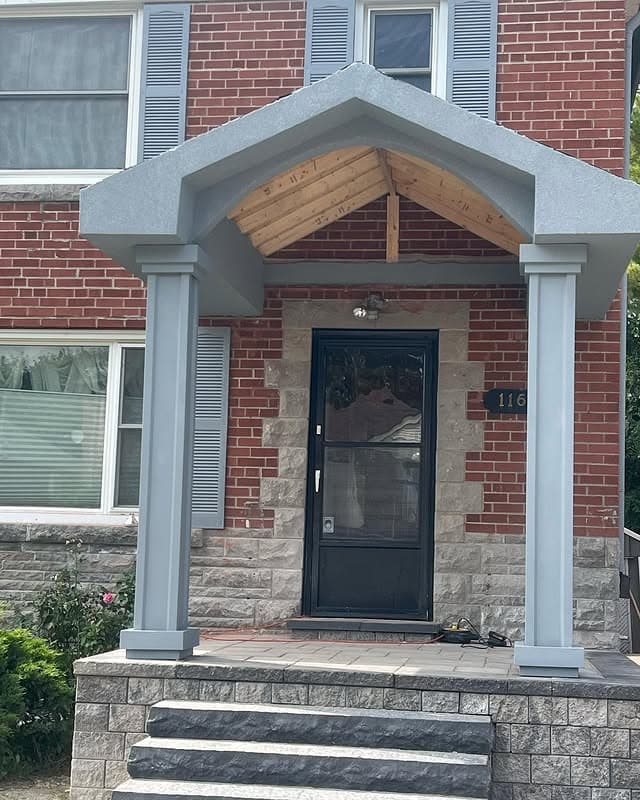
Ozwan Stucco designs and installs high-impact decorative trims & moldings to elevate curb appeal and clarify architectural intent. Our profiles are engineered for EIFS and stucco façades and finished with DuROCK, Sto, or Sika systems for color stability, texture control, and long-term durability in Toronto’s freeze–thaw climate.
We fabricate bands, belly bands, window/door surrounds, sills, keystones, quoins, pilasters, crowns/cornices, panel reveals and custom profiles. Assemblies are reinforced with fiberglass mesh, detailed with drip edges and compatible sealants, and color-matched to your field finish with LRV-aware recommendations to manage heat absorption and longevity.
Our install method follows manufacturer best practices: substrate prep, adhesion, mesh wrapping at returns, reinforced base coats, primer, and acrylic or silicone-modified topcoats. We coordinate movement joints and transitions to dissimilar materials to control cracking and shed water.
Why Add Decorative Trims?
- Define proportion and hierarchy: crowns, bands and sills articulate each elevation
- Boost curb appeal and resale value with classical or modern detailing
- Blend additions with existing façades using matched profiles and finishes
- Mask irregularities: create crisp, level sightlines and shadow reveals
- Weather-smart: integrated drip edges and sealants control streaking and moisture
Profile Catalog (Typical)
- Bands & belly bands (flat, beveled, ogee) · 2–8 in typical depths
- Window/door surrounds with integrated drip edges and sill noses
- Keystones and head details to emphasize focal openings
- Corner quoins (alternating or stacked) for classical massing
- Pilasters and plinth blocks for entry emphasis
- Crown/cornice mouldings with multi-step profiles and drip edges
- Panel reveals and minimalist trims for modern façades
- Custom radiuses and templates to match historical details
Color & Texture Systems (DuROCK · Sto · Sika)
- Acrylic & silicone-modified acrylic finishes for UV stability and cleanability
- Fine–coarse textures and specialty options to coordinate with the field finish
- LRV guidance to manage heat gain and reduce thermal stress
- Custom color matching and on-site sample boards for approval
- Elastomeric options for hairline crack bridging (project-dependent)
Technical Detailing & Integration
- Adhesion & fastening: compatible EIFS/stucco adhesives; mechanical fastening as specified
- Reinforcement: mesh wrapping at returns, overlaps at joints, and corner guards
- Moisture control: back-wrapping, drip edges, sealed terminations, and weep/drip strategy
- Movement joints: control/expansion joints coordinated with the substrate and façade geometry
- Transitions: sealants at windows/doors and dissimilar materials for a watertight finish
New Build vs. Retrofit
- New Build: profile layout coordinated with elevations and window schedules for symmetry
- Retrofit: templates to match legacy details; selective removal and substrate prep as needed
- Additions: color and texture blending to unify new and existing façades
Pricing & Typical Timelines
- Bands: ~$18–$28 per linear foot (profile-dependent)
- Window/door surrounds: ~$120–$260 each (size/returns/heads)
- Crown/cornice assemblies: ~$35–$60 per linear foot
- Quoins & pilasters: by profile and quantity
Small elevations: 2–4 days. Whole-home trims: 1–2 weeks, depending on complexity, access, and weather.
Compliance & Warranty
We align with Canadian EIFS/stucco best practices and DuROCK · Sto · Sika specifications for compatible adhesives, mesh/base coats, primers, and finish coats. Written workmanship warranty and finish system details are included in your quote.
Service Areas in Toronto & the GTA
Toronto, North York, Scarborough, Etobicoke, Mississauga, Brampton, Vaughan, Richmond Hill, Markham, Oakville, Burlington, Pickering, Ajax, Whitby, and nearby communities.
Detailed Service Guide
Stucco Trims Give the Exterior Shape, Shadow, and Architectural Intent
Decorative trims are not just add-ons. Bands, sills, keystones, quoins, cornices, and window surrounds define proportion, create shadow lines, and help a stucco exterior feel designed instead of flat.
Our 5-Step Decorative Trim Process
Trims are decorative but still part of the wall assembly, so design and water management lead every step.
Design & proportion planning
We study window size, rooflines, garage proportions, and existing brick or stone to choose bands, sills, quoins, cornices, or modern reveals that suit the home from the street and up close.
Profile fabrication & layout
We shape or source the foam profiles, set straight layout lines, and plan corners, returns, and movement so long runs stay crisp and consistent.
Adhesion & mesh wrapping
We adhere each profile and wrap mesh around the edges so trims resist cracking and impact rather than peeling away over time.
Base coat & water-shedding details
We base-coat the profiles and detail sills, drip edges, and slopes so projections shed water away from the wall instead of trapping it.
Finish, colour & sealant
We finish the trims in a matched or contrasting colour and texture, then seal transitions so the detailing looks built-in and protects the openings it frames.
Toronto & GTA Pricing Guidance
Decorative trim pricing depends on profile size, linear footage, custom shapes, height, water-shedding details, finish colour, and whether the trims are installed with a full stucco system or added to an existing wall.
Simple bands or window surrounds
$18-$45 per linear ft.
For straightforward foam trim profiles with proper adhesion, mesh reinforcement, base coat, primer, and acrylic finish.
Custom sills, cornices, quoins, or feature profiles
$45-$120+ per linear ft.
For larger or more detailed profiles where fabrication, layout, projections, returns, and water-shedding details are more involved.
Front elevation trim package
$3,500-$18,000+
For coordinated trim design around windows, garage, entry, bands, and colour/texture planning on the main facade.
Design Comes Before Fabrication
The best decorative trim packages start with proportion. A trim that looks good on one home can look heavy, thin, or awkward on another. Window size, roof lines, wall height, existing brick or stone, garage doors, porch columns, and neighbouring homes all influence the right profile. Ozwan helps plan bands, sills, keystones, quoins, cornices, panel reveals, and modern trim lines so the exterior feels balanced from the street and close up.
Installation Details Matter
Foam trims and mouldings need proper adhesion, reinforcement, mesh wrapping, base coat, primer, finish, and sealed transitions. Window sills and bands should shed water rather than trap it. Cornices and projections need drip details. Large trim runs need movement planning so cracking does not appear at predictable stress points. When trims are installed as part of a full EIFS or acrylic stucco project, the field wall and profile details can be coordinated as one system.
Colour and Texture Strategy
Trims can match the main wall colour for a subtle, modern look or contrast for more traditional definition. The finish texture can also be matched or adjusted. A smooth trim against a textured wall can look crisp, while a fully matched finish can feel more integrated. Dark trim colours require the same LRV and heat considerations as dark wall colours. Ozwan can provide sample direction before the full facade is completed.
When Trim Work Links to Repair
Many trim projects happen because existing details are cracked, stained, too small, poorly installed, or missing from an otherwise flat elevation. If old trims are failing, the substrate underneath may need repair before new profiles are installed. If window surrounds are being replaced, sealants and moisture details should be reviewed at the same time. Decorative work is visual, but it still has to respect the wall assembly.
Toronto Design Context for Stucco Trims
Decorative stucco trims should be designed for the house, not copied from a catalogue without context. Toronto and GTA homes vary from older brick houses and post-war bungalows to new custom builds, additions, semis, townhomes, and commercial storefronts. A heavy cornice might suit one facade and overwhelm another. Thin modern reveals may look clean on a boxy elevation but disappear on a larger wall. Ozwan reviews window size, roof lines, porch depth, garage proportions, existing brick or stone, and neighbourhood style before recommending bands, sills, quoins, keystones, cornices, or modern trim lines.
Proportion and Street View
Trim design should be judged from the street and from close range. A window surround that looks bold up close may feel balanced from the sidewalk, while a narrow band may vanish once the whole facade is seen. Toronto lots often place homes close to the street, so the front elevation carries strong curb appeal value. Ozwan considers sightlines, window spacing, garage width, entry focus, and the height of each wall. The goal is to create shadow, structure, and visual hierarchy. Good trims make the exterior feel designed, while poorly sized trims make the wall look busy or artificial.
Foam Trim Fabrication and Reinforcement
Most decorative stucco trims use shaped foam profiles that are adhered, reinforced, base-coated, primed, and finished. The profile shape is only the beginning. Corners need clean mitres or returns. Mesh should wrap edges so the trim resists cracking and impact. Long runs need straight layout and attention to movement. Projections need water-shedding details and drip logic. Ozwan treats trims as part of the wall assembly, not decoration glued on at the end. This is especially important in the GTA climate where freeze-thaw cycles punish weak edges and water-trapping details.
Window Sills, Drips, and Water Management
Window sills and bands must be shaped and finished so water moves away from the wall. Flat projections, weak slopes, missing drip edges, or poorly sealed transitions can cause staining and moisture problems below windows. Ozwan plans sill depth, slope, profile shape, finish, and sealant compatibility before installation. On older Toronto homes, window replacement history can create uneven returns and awkward gaps that need careful detailing. A decorative window surround should make the opening look better while also respecting how water behaves. If trim work traps water, the design has failed even if it looks nice on day one.
Modern Trim Packages
Not every home needs traditional mouldings. Modern stucco projects may use clean bands, recessed reveals, panel lines, minimalist window frames, flat parapet details, or subtle colour changes. These details require the same discipline as ornate trims. Straight lines, consistent reveals, clean corners, and careful finish work are essential because modern design exposes errors. Ozwan helps homeowners choose whether the exterior should be simple and crisp or more detailed and classical. In many GTA renovations, the strongest result is a restrained trim package that modernizes the home without making it look overdesigned.
Traditional Profiles and Architectural Balance
Traditional trims can add warmth and depth to stucco exteriors when they are scaled correctly. Cornices, keystones, quoins, raised bands, and sills can help a flat wall feel more established. The risk is overuse. Too many shapes, colours, or heavy profiles can make a facade feel dated or cluttered. Ozwan balances profile size with wall height, roof pitch, entry design, and existing materials. For homes with brick or stone, trims should complement those materials rather than fight them. A good traditional package should look like it belongs to the building, not like a set of unrelated pieces.
Colour Strategy for Trims
Trim colour can be subtle or high contrast. Matching the wall colour creates a clean, monolithic look with shadow doing most of the work. A lighter or darker trim colour adds definition around windows and roof lines. Dark trims need the same heat and LRV thinking as dark wall finishes. On Toronto homes with black windows, grey roofs, or white soffits, trim colour can tie everything together. Ozwan helps clients avoid too many competing tones. The best trim colour strategy usually repeats or supports existing exterior elements, so the house feels coordinated from foundation to roofline.
Replacing Failed Existing Trims
Old trims may crack, separate, stain, or pull away because of poor adhesion, weak reinforcement, impact, water trapping, or movement. Replacing them is not only a visual task. The wall underneath should be checked for damage, especially below sills and at corners. If the existing trim profile caused water to sit against the wall, the new profile should correct that problem. Ozwan removes weak material, prepares the substrate, and rebuilds with better reinforcement and detailing. This is common on older GTA stucco homes where decorative work was added without enough attention to water management.
Trim Planning With Full Stucco Installation
The best time to plan trims is before a full stucco or EIFS installation begins. Profile depth affects insulation thickness, window returns, finish breaks, scaffold access, and colour layout. Adding trims after the wall is finished can still be possible, but coordinating everything from the start usually creates cleaner lines and fewer compromises. Ozwan reviews trim locations, profile sizes, finish colours, and transitions with the full wall assembly in mind. This helps avoid awkward intersections at soffits, porches, garages, balconies, and foundation areas. Planned trims look built in. Late trims can look pasted on.
Commercial and Multi-Unit Trim Details
Commercial stucco trims often serve practical and branding goals. Sign bands, storefront frames, parapet lines, pilasters, and accent panels can make a plaza or office facade look cleaner while guiding the eye to tenant signage. These areas need impact resistance, straight layout, and maintenance-friendly details. Multi-unit properties need consistency across repeated windows and balconies. Ozwan scopes commercial trim work with access, phasing, tenant visibility, and long wall runs in mind. The design should improve the building without creating fragile projections that are hard to maintain. Commercial trims need to look sharp and survive daily use.
Toronto Front Elevation Planning
The front elevation usually carries the most value for decorative trims because it shapes the first impression from the street. Toronto homes often have compact frontages, visible garages, porch roofs, bay windows, or second-storey additions that need careful proportion. Ozwan reviews which features should be emphasized and which should stay quiet. A strong trim plan may frame the entry, balance upper windows, soften a garage face, or create a clean horizontal band. The goal is not to add decoration everywhere. The goal is to guide the eye so the home looks more intentional and complete.
Avoiding Overdesigned Stucco Exteriors
Decorative trims can improve a home quickly, but too many profiles can make the facade feel busy. Multiple bands, heavy quoins, contrasting sills, keystones, cornices, and panel lines can compete with each other. Ozwan helps homeowners choose restraint when restraint will look better. Many modern GTA homes benefit from fewer, cleaner details rather than a catalogue of shapes. A well-designed trim package should add rhythm, shadow, and proportion without making the exterior look artificial. Strong design often means knowing which trim not to install.
Trim Durability at High-Touch Areas
Some trims are more exposed to impact than others. Garage surrounds, low bands, entry columns, porch walls, and side-yard details can be hit by equipment, bikes, bins, snow shovels, or deliveries. Ozwan considers impact risk when choosing profile placement and reinforcement. Low or protruding details may need stronger mesh, careful edge wrapping, or a more practical profile shape. Durability matters because damaged trims are very visible. A trim package should improve the exterior without creating fragile edges in places where daily life will constantly hit them.
Matching New Trims to Existing Architecture
When trims are added to an existing home, they should respect window style, roof pitch, brick pattern, stonework, columns, railings, and entry proportions. A modern flat trim may not suit every traditional facade, and ornate mouldings may not suit a simple contemporary renovation. Ozwan studies the existing architecture before recommending profiles. This is important in established Toronto neighbourhoods where homes have strong material history. New trims should make the house look more resolved, not like a renovation layer that ignores everything already there.
Trim Repair After Window Replacement
Window replacement often leaves old stucco trims damaged, cut back, or poorly patched. New window depths can change the return and sill relationship. Ozwan can rebuild surrounds, rework sills, repair damaged finish, and coordinate sealants so the opening looks complete again. This is common on GTA homes where windows were replaced without full exterior restoration. A proper trim repair after window replacement improves appearance and reduces water risk around the opening. The detail should look like the window and wall were planned together.
What a Trim Quote Should Clarify
A decorative trim quote should identify profile types, locations, dimensions, colour, texture, finish system, reinforcement, removal of old trims if needed, sealant scope, and how water-shedding details will be handled. It should also clarify whether the wall finish around the trim is included or whether a larger recoat is needed for consistency. Ozwan makes these items clear because trims are highly visible and small misunderstandings can change the final look. Good trim work starts on paper before it starts on the wall.
Related Ozwan Services
Stucco jobs usually cross more than one trade label. These linked pages help customers and crawlers understand the full exterior scope around this service.
Related Blog Topics
These topic links keep service pages connected to educational blog content as the blog library grows.
Quick Answers
Can trims be added to an existing stucco house?
Yes, if the existing surface is sound and prepared correctly. The trim layout, attachment, reinforcement, and finish should be planned before installation.
Do trims cause leaks?
Properly detailed trims should shed water and protect transitions. Poorly installed trims without drip edges, sealants, or reinforcement can create problems.
What trim style works best for a Toronto stucco renovation?
It depends on the home. Modern homes often suit simple bands and reveals, while traditional homes may benefit from sills, cornices, or quoins. Proportion matters more than trend.
Can stucco trims be repaired instead of replaced?
Small cracks or finish damage can sometimes be repaired. Separated, water-damaged, or poorly shaped trims are often better removed and rebuilt with proper reinforcement and water-shedding details.
Should trims match the wall colour?
They can. Matching creates a subtle architectural shadow, while contrast adds definition. The best choice depends on windows, roof colour, soffits, brick, stone, and the overall design goal.
Are foam trims durable?
Foam trims can be durable when they are properly adhered, mesh reinforced, base-coated, finished, and detailed to shed water. Weak installation is what usually causes failures.
Frequently Asked Questions
What types of decorative trims & moldings do you install?
Bands, belly bands, window and door surrounds, sills, keystones, quoins, pilasters, crowns/cornices, panel reveals, and custom profiles tailored to your elevation and architectural style.
Which finish systems do you use for color and texture?
We finish trims with DuROCK, Sto, and Sika acrylic or silicone-modified acrylic systems. We offer color matching, multiple textures, and LRV guidance to manage heat and longevity.
How are trims attached and reinforced?
Compatible adhesives with mechanical fastening where specified, mesh wrapping at returns, reinforced base coats, priming for uniform color, and compatible perimeter sealants at transitions.
Will new trims match my existing façade?
Yes. We color-match using the manufacturer’s library or custom formulas, provide on-site samples, and coordinate texture so trims integrate seamlessly with your existing stucco.
Do you install on both EIFS and traditional stucco?
Absolutely. We work on EIFS façades and prepared cement stucco substrates using manufacturer-aligned methods and Canadian best practices.
How long does the installation take?
Small refreshes often take 2–4 days; whole-home trim packages 1–2 weeks, depending on complexity, access, and weather.
What does it cost to add trims?
As guidance: bands ~$18–$28/lf, window surrounds ~$120–$260 each, crown/cornice ~$35–$60/lf. Your detailed written quote will specify profiles, quantities, and finishes.
How do you prevent water getting behind trims?
We design drip edges, back-wrapping, sealed terminations, and compatible sealants; we coordinate control/expansion joints with the façade to manage movement and moisture.
What maintenance is recommended?
Gently rinse as needed; avoid harsh abrasives and high-pressure washing. Inspect sealants every 2–4 years. Re-coat timelines vary by exposure and color—ask us for a maintenance plan.
Do you provide warranty?
Yes—workmanship warranty plus manufacturer-aligned finish guidance. Details are included in your written quote.